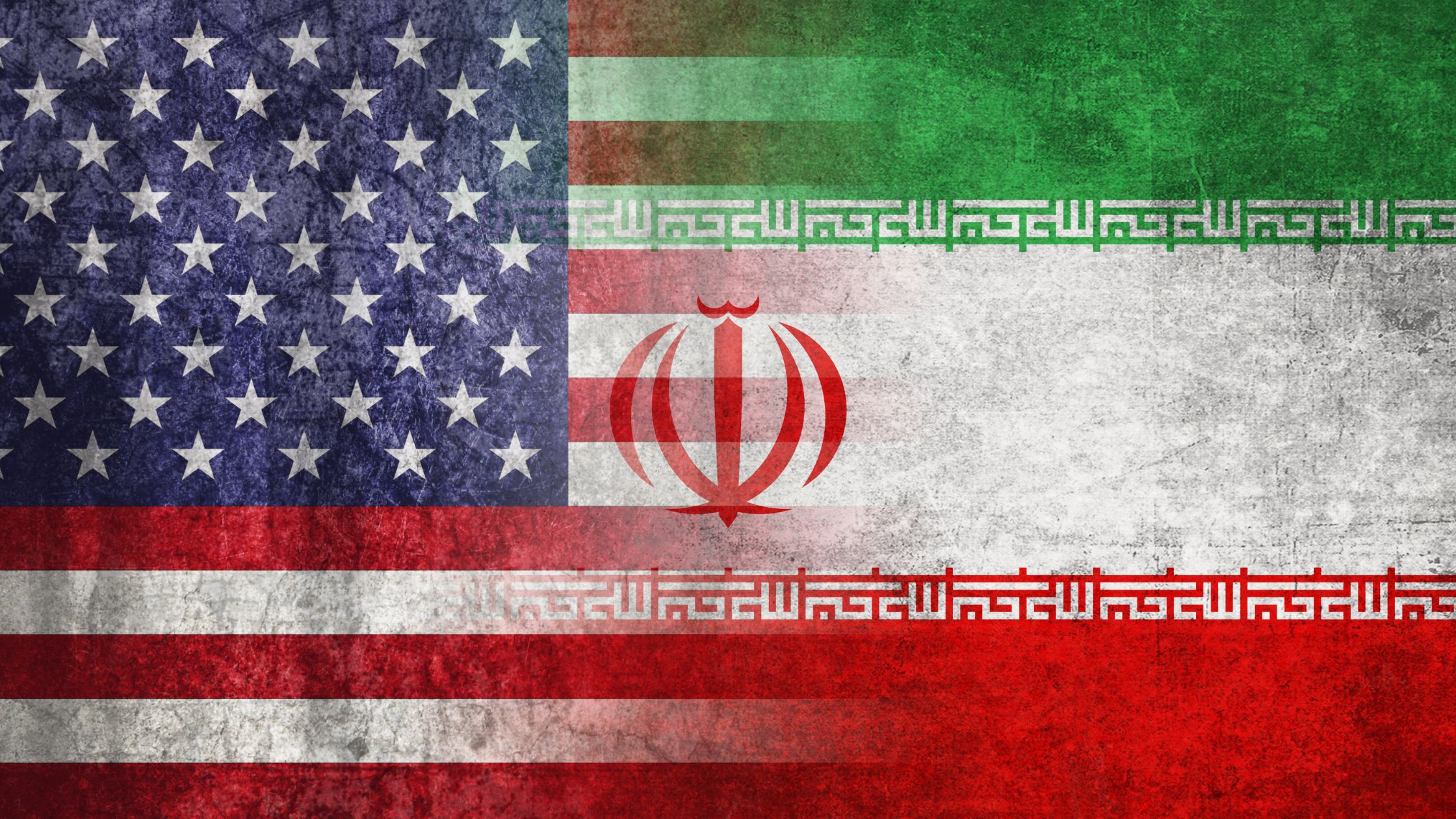
Military escalation involving Israel, Iran, and the United States has pushed geopolitical risk back into the center of the global conversation.
Recent market developments tied to the Israel–Iran–U.S. conflict have renewed questions about how war in the Middle East affects oil prices, gold, and global stock markets.
Before turning to markets, it is worth acknowledging that conflicts like this affect real people and communities far beyond financial markets. The human consequences are real, even as investors try to interpret the economic implications.
Oil prices have moved higher. Equity markets reacted sharply before stabilizing. Safe-haven assets have attracted renewed attention as investors reassess geopolitical risk.
When events unfold this quickly, it can feel as though the economic landscape has suddenly shifted.
Markets, however, tend to process geopolitical shocks more systematically than headlines suggest.
Markets Often Absorb Geopolitical Shocks Faster Than Investors Expect
According to historical analysis referenced by institutional research, geopolitical events tend to produce short-term volatility but rarely alter long-term market trajectories unless they meaningfully disrupt global economic activity¹.
That pattern has repeated across multiple decades of market history. Initial reactions can be sharp, but markets often stabilize once the scope of the conflict becomes clearer.
Research examining major market shocks shows that the S&P 500 has historically produced a median gain of about 2.7% three months after a major geopolitical shock, and roughly 7.4% over the following twelve months, with positive returns occurring about 65% of the time².
History does not eliminate uncertainty. It simply reminds investors that markets frequently stabilize sooner than the news cycle.
War Headlines Often Move Markets Before the Economy
Investors frequently ask whether war or geopolitical conflict can crash the stock market.
In most cases, markets respond quickly to the uncertainty created by conflict rather than the conflict itself. Unless geopolitical events significantly disrupt global trade, financial systems, or economic production, markets often move past the initial shock and refocus on economic fundamentals.
Understanding that distinction helps investors separate temporary volatility from lasting economic change.
Energy Markets Are Often the First Signal
Conflict in the Middle East typically shows up first in energy markets.
The region remains central to global oil supply and shipping routes. When geopolitical tension raises concerns about production or transportation disruptions, markets quickly adjust prices to reflect potential supply risk.
For many professionals, particularly those working in energy or industries connected to commodity cycles, these shifts can feel more immediate. Compensation structures, equity exposure, and retirement assets often intersect with energy markets, which is one reason many long-tenured executives eventually face what I describe as the equity exit trap when trying to transition toward retirement.
In my planning work, these dynamics often show up in the intersection of equity compensation, concentrated stock positions, and long career tenures inside a single industry. When those elements combine with commodity cycles, geopolitical volatility can influence both income and investment portfolios at the same time.
That reality reinforces the importance of diversification and thoughtful portfolio structure long before geopolitical headlines arrive.
Why Investors Are Watching Gold Again
Periods of geopolitical and institutional uncertainty often lead investors to reconsider traditional stores of value.
In a recent MarketWatch article discussing gold price forecasts, I noted that gold’s recent performance and sharp price swings reflect something broader than the metal itself. They reflect the level of institutional and macroeconomic uncertainty investors are navigating.
When policy direction, geopolitical stability, and economic signals feel unsettled, investors often gravitate toward assets that carry no credit risk and historically behave differently from financial assets.
Gold can benefit in those environments. But the path is rarely smooth.
As I explained in that article, if the current narratives around global policy credibility and geopolitical tension persist, gold could remain relevant through the coming years. At the same time, investors should expect volatility rather than a straight continuation of recent gains³.
The Behavioral Side of Market Volatility
Geopolitical volatility often triggers a behavioral response that has little to do with long-term portfolio strategy.
Sharp market movements activate the body’s threat response. Investors instinctively want to act.
Continuous exposure to breaking news intensifies that reaction. Even when information does not materially change, the nervous system processes each update as a new signal.
Limiting exposure to constant headlines can help investors remain focused on strategy rather than reacting to short-term noise.
What Long-Term Investors Should Focus On
Periods of uncertainty often highlight structural questions within a financial plan. Investors should step back and consider whether their asset allocation still aligns with their long-term goals, whether their liquidity plan is strong enough to handle extended volatility, and whether concentrated positions are balanced with diversification across sectors and global markets. These are the types of structural decisions that tend to matter far more than reacting to any single geopolitical headline.
When volatility rises, I often encourage clients to slow down before reacting.
Pause long enough to understand what has actually changed. Protect your portfolios and your pocketbooks by staying anchored to structure. Participate in markets with consistency and conviction when opportunity appears.
Markets will continue to interpret geopolitical events as they always have. Sometimes dramatically at first. Often more calmly with time.
For disciplined investors, the goal is not predicting the next headline.
It is maintaining a financial structure strong enough to withstand them.
Key Investor Perspective
Geopolitical conflict in the Middle East often produces immediate market volatility, particularly in oil prices and safe-haven assets. History suggests that while markets react quickly to uncertainty, long-term investment outcomes are more closely tied to economic fundamentals than to individual geopolitical events. For investors with globally diversified portfolios and disciplined financial plans, the more durable strategy is typically maintaining structure rather than reacting to short-term headlines.
Quick Answers: How the Middle East Conflict Could Affect Investors
Should I go all cash right now because of the Israel–Iran–U.S. conflict?
Moving entirely to cash during geopolitical conflict is rarely a disciplined investment decision. Markets often react quickly to uncertainty, but they have historically stabilized once the scope and economic implications of events become clearer. Shifting fully to cash after volatility has already begun can lock in losses and reduce participation in the eventual recovery.
A more effective approach is to establish cash allocation strategies before unrest occurs. Liquidity in portfolios and bank reserves should be aligned with an investor’s risk tolerance, life phase, lifestyle flexibility, and long-term goals. When those structures are already in place, investors are better positioned to navigate geopolitical shocks without having to make reactive decisions in the middle of uncertainty.
Will the Israel–Iran conflict cause a stock market crash?
Geopolitical events often create short-term volatility, but historically they have rarely changed long-term market direction unless they significantly disrupt global economic activity.
Why do oil prices rise during Middle East conflict?
The Middle East remains central to global energy supply. Conflict raises concerns about potential disruptions to production or transportation routes, prompting markets to reprice oil quickly.
Is gold a safe haven during geopolitical conflict?
Gold often attracts demand during periods of institutional uncertainty because it carries no credit risk and historically behaves differently from financial assets. However, gold prices can still be volatile.
Should investors change their portfolios during geopolitical crises?
Most long-term portfolios are designed to withstand periods of volatility. Sudden allocation changes during geopolitical shocks often introduce more risk than they reduce. A globally diversified portfolio helps investors navigate multiple forces simultaneously, including geopolitical tension, shifts in global monetary policy, and differences in economic growth across countries and regions.
References
¹ Historical market analysis of geopolitical shocks
https://privatebank.jpmorgan.com/eur/en/insights/markets-and-investing/how-do-geopolitical-shocks-impact-markets
² Detrick, R. Market performance following major geopolitical shocks. Carson Group research
³ Cherry, P. D. (2026). Gold price outlook and institutional uncertainty. MarketWatch.